
.svg)

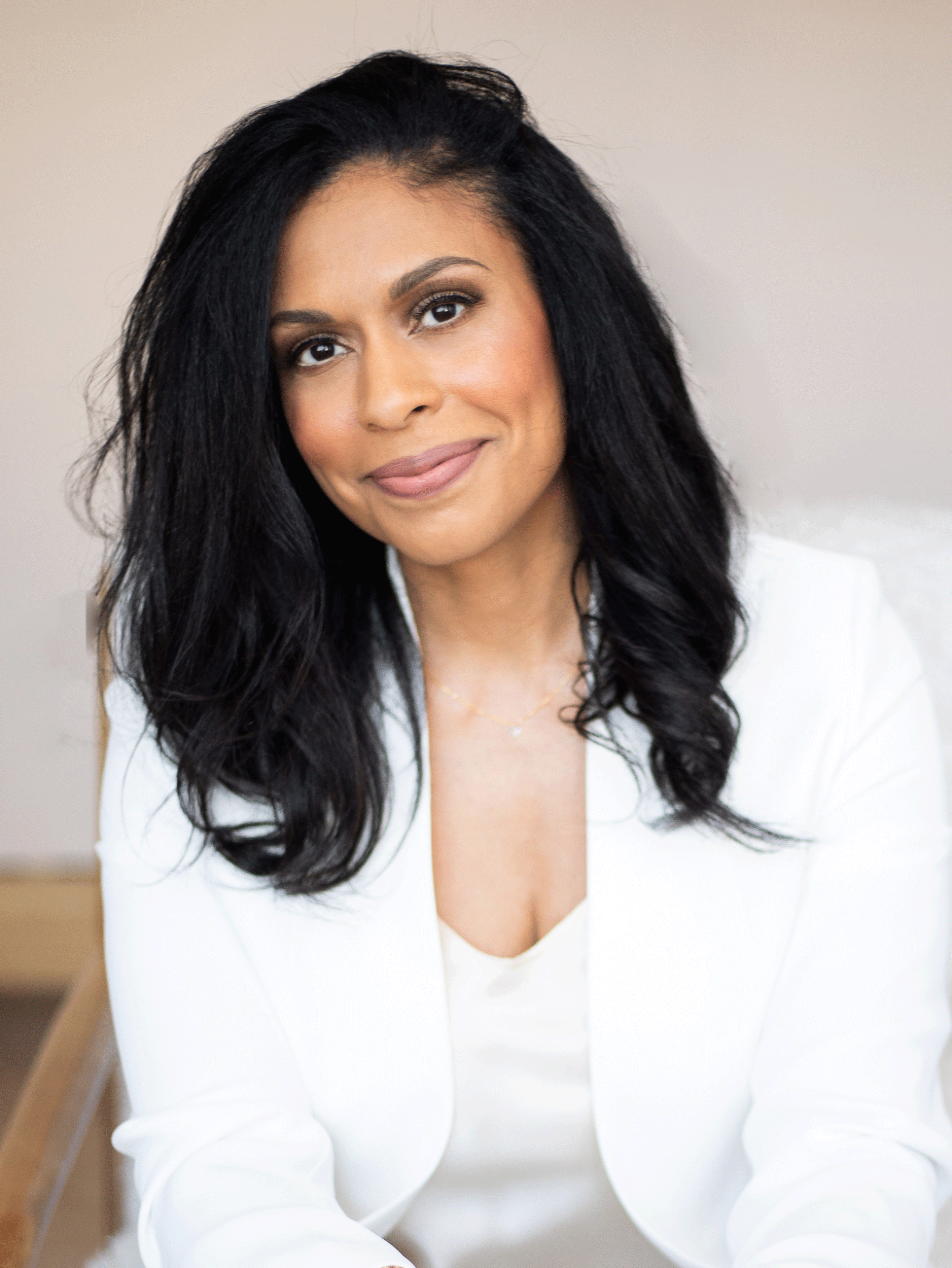
Artist philosophy
I don't stage my subjects. Some come from real, unposed moments: family, friends, people caught without an audience in mind. Others exist only in my imagination, figures I build from nothing but still paint as if I know them. What ends up on the canvas is reassembled and interpreted, shaped by my hand until something true comes through.
I work in oils, with color and brushwork left visibly expressive rather than smoothed away. What I'm after is a true human moment, the feeling of it, the story it tells, whether that means catching someone once the performance has dropped, or a moment that was never performed to begin with. Painting is how I reach for it.
I work in oils, with color and brushwork left visibly expressive rather than smoothed away. What I'm after is a true human moment, the feeling of it, the story it tells, whether that means catching someone once the performance has dropped, or a moment that was never performed to begin with. Painting is how I reach for it.
My journey
I was born in North Pole, Alaska, where long winters and a large family created space for solitude and observation. Art has always been how I've made sense of that space, drawing, making, noticing even as a girl. I carried that impulse through years of travel and into my home studio in Charlotte, North Carolina.
My formal education came through earning a BA in Design and then running a successful branding business, where I learned the architecture of communication: color, form, typography, and how visual language shapes what people understand and feel. But I realized quickly that what I wanted wasn't to build communication for others. I wanted to build my own expression. Painting became the way to do that. It started as a practice of noticing: looking closely, failing often, looking again. And it still is. That rigor came from design. The instinct to look for what's real underneath came from painting itself.
My formal education came through earning a BA in Design and then running a successful branding business, where I learned the architecture of communication: color, form, typography, and how visual language shapes what people understand and feel. But I realized quickly that what I wanted wasn't to build communication for others. I wanted to build my own expression. Painting became the way to do that. It started as a practice of noticing: looking closely, failing often, looking again. And it still is. That rigor came from design. The instinct to look for what's real underneath came from painting itself.
